Latest News: What Do Farmed Fish Eat? News 24/7
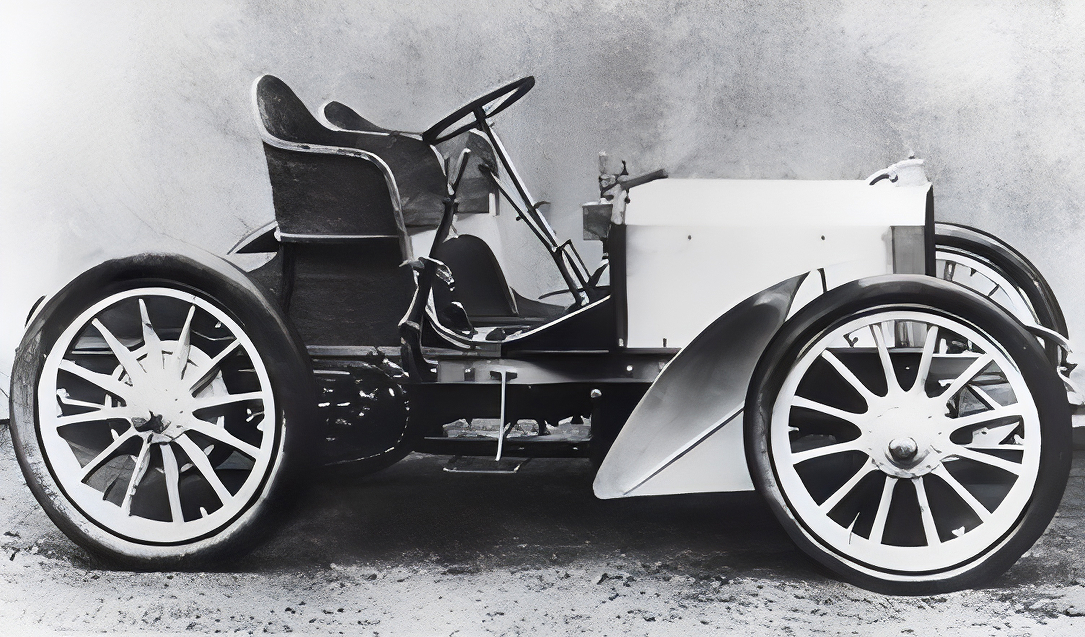
In all our work we are guided by our entrepreneurial roots. Philip Rauch Sr. was the chief automotive designer for the Benz Company and the inventor of the hose clamp, a small device consisting of three parts that played a big role in the growth of the auto and aerospace industries.
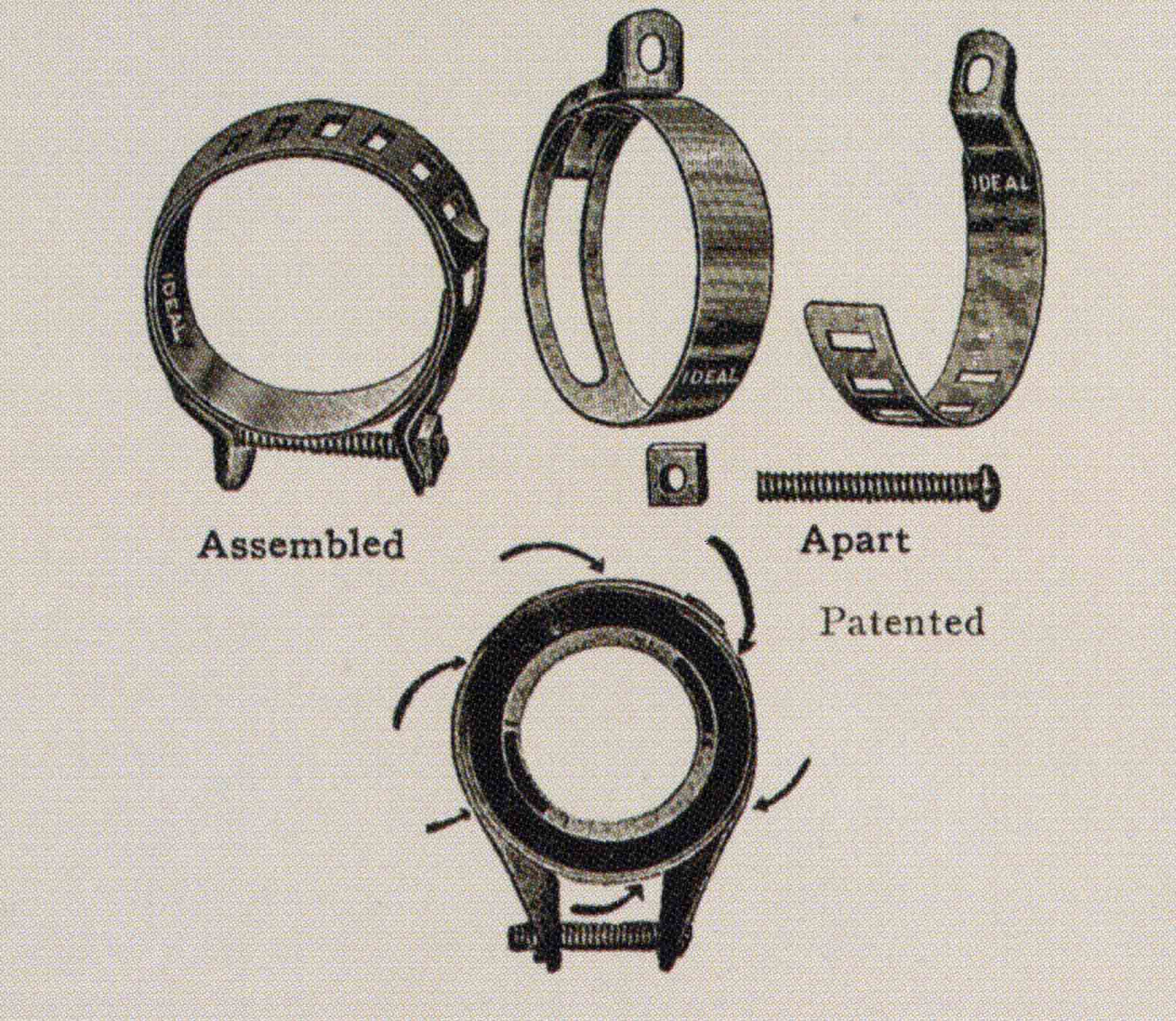
Once he realized the extent of the demand, Philip started the Ideal Clamp Manufacturing Company, which expanded production during World War II and later went on to supply clamps for race cars after driver Bill Vukovich won the Indy 500 in 1953 with an average speed of 128 mph, thanks in part to the Ideal clamp. The clamps also became ubiquitous in households, where they continue to be used in refrigerators, air conditioners, washing machines, garden hoses, boats, and plumbing fixtures.
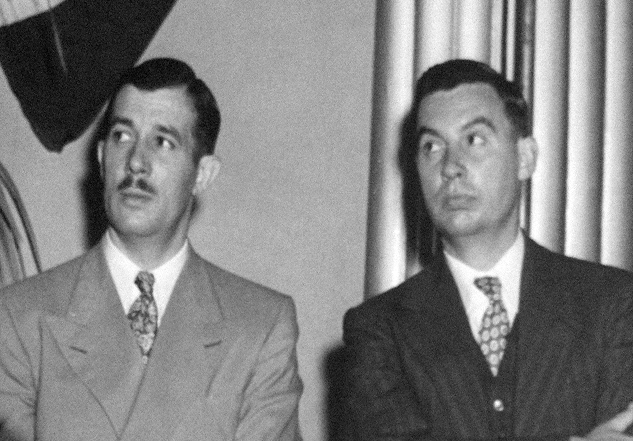
Philip’s two sons, Philip Rauch Jr. and Louis Rauch, who took over the business, created the Rauch Foundation in 1961 to support a wide range of educational and social causes.
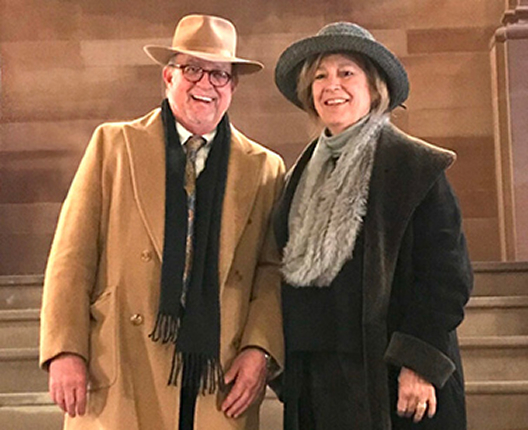
From that success, the Rauch Foundation evolved to create its own legacy. For more than thirty years under the leadership of Nancy Rauch Douzinas, the foundation invested in ideas and organizations fostering systemic regional change in early childhood and the environment. From 2004-2018 it published the Long Island Index, an annual compendium of data and analyses of key issues facing the region. Formed as a cross-sector partnership of thought leaders from business, labor, community groups, health care, universities, and research institutions, the information presented in the Index helped to catalyze the region's commitment to a $2.6 billion infrastructure project (The Third Track) that expanded capacity and mobility on the Long Island Railroad.
Today, under the leadership of Eva Douzinas, the Rauch Foundation continues to pursue projects with the potential to be transformative. We hope you will take the time to explore this website to learn about our work in Global Food Systems and Financial Literacy.
We have selected as our logo the Barred Owl, which is the most familiar species of owl in the northeast United States, with a year-round presence in Vermont and New York. More heard than seen, its distinctive loud call is said to be asking "who-cooks-for-you," a nod to our program priority around food systems. The Barred Owl symbolizes intuition, vision, understanding and knowledge. The owl is positioned in flight, to represent a journey to independence. Through our programming, we hope to prepare young people for this journey so that, leaving school, they too are ready to fly off on their own. The hand-drawn single line owl contrasts with the solid serif font of the foundation lettering which signifies an organization with a long history of influence and stability. The soft, fluid, imperfect form of owl represents our domain of philanthropy as a process and work in progress.